
Exploring What We Care About
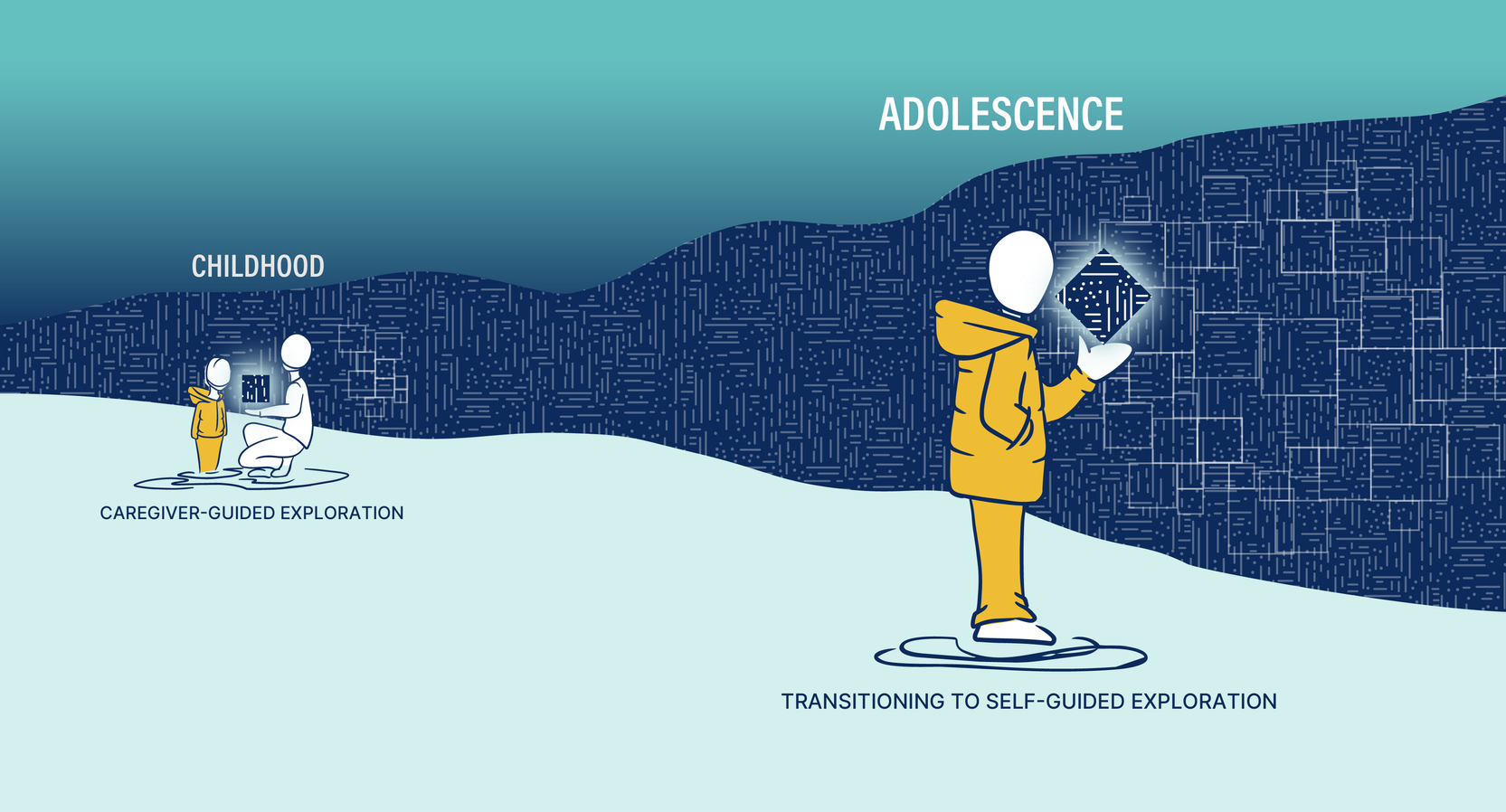
Adolescence is a time when youth begin to piece together what it is they care about. This developmental period includes remarkable transformation, as youth begin to explore who they are, shifting from exploration guided by caregivers to exploration shaped by their own emerging sense of identity and agency. The skills, habits, and patterns of thinking that emerge during this window can shape their lifelong well-being.
This period is full of possibility, but alongside that possibility, some adolescents may also begin to experience the onset of mental health challenges.


Approximately 1 in 20 adults experience severe mental health challenges each year. Understanding early signs and risk symptoms in young people before psychological disorders like schizophrenia, bipolar disorder, or depression emerge, begins with understanding how they piece together meaning from the thoughts, emotions, experiences, and relationships that shape who they are becoming and how these processes unfold across time.
Developmental Changes in Adolescence
During the adolescent period, youth actively explore, evaluate, interpret, learn from, and integrate emotional and social experiences as they adapt to changing contextual demands and prepare for the transition to adulthood. The rapid developmental changes unfolding throughout adolescence cut across multiple systems and are influenced by environmental contexts, and life histories.


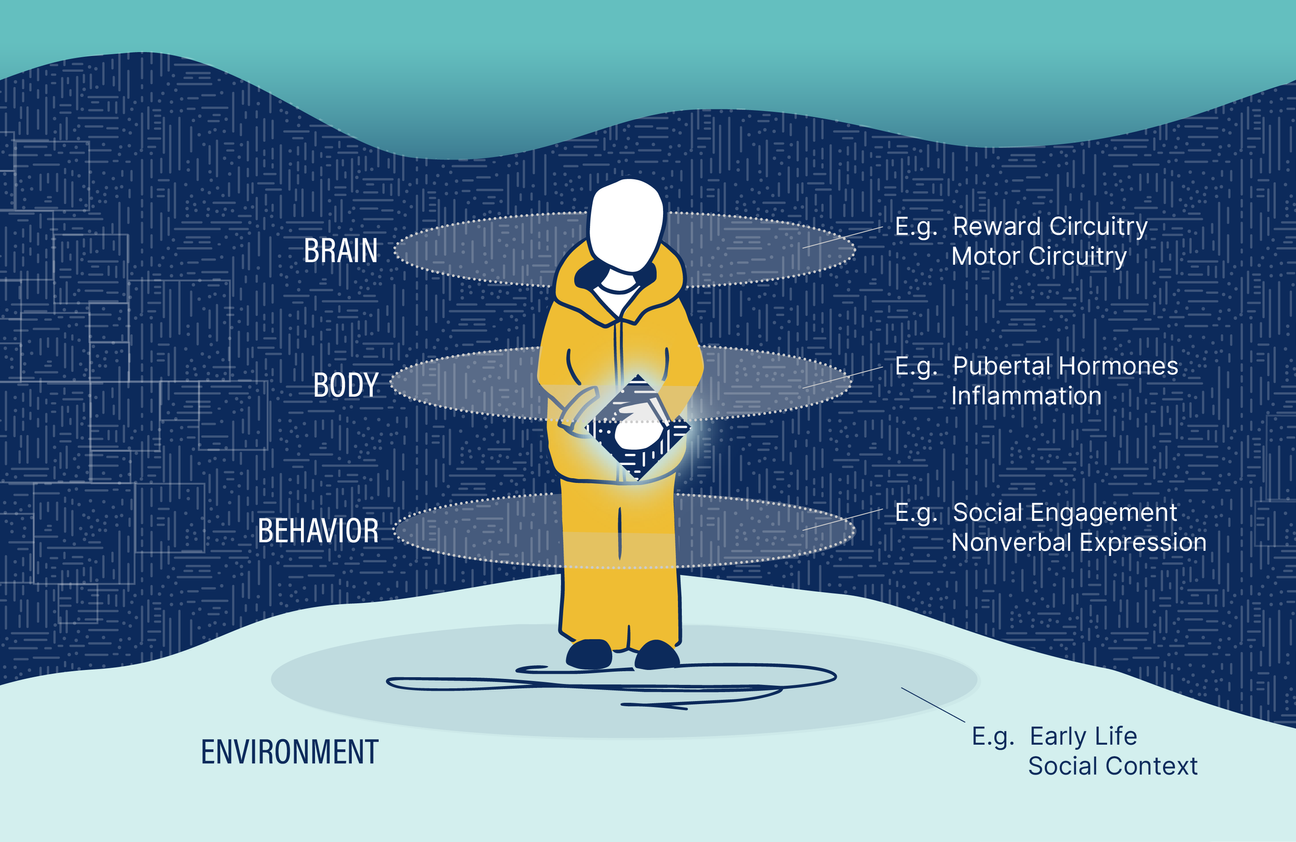
Changes during adolescence occur in the brain, body, and behavior. Adolescents experience ongoing maturation of brain systems, including heightened development of reward and motor circuitry, alongside changes in pubertal hormones and in inflammatory signaling. At the same time, they are embedded in increasingly complex social contexts and must adapt to evolving interpersonal landscapes, navigating new demands in social engagement and nonverbal expression as relationships become increasingly salient and complex. Adolescents are also shaped by their early life experiences and developmental histories, which color how they perceive and respond to the world around them. Together, these processes are interconnected, highlighting the potential for growth and vulnerability characterized by this developmental period.
Risk for Severe Mental Illness
Given this complexity and the rapid changes during adolescence, this developmental period is a window of vulnerability during which early signs and symptoms of severe mental illness may first appear. As adolescents explore their environments and make sense of their emotional and social experiences, all while neurodevelopment processes are rapidly underway, youth may experience more elevated or extreme emotional and/or cognitive experiences.
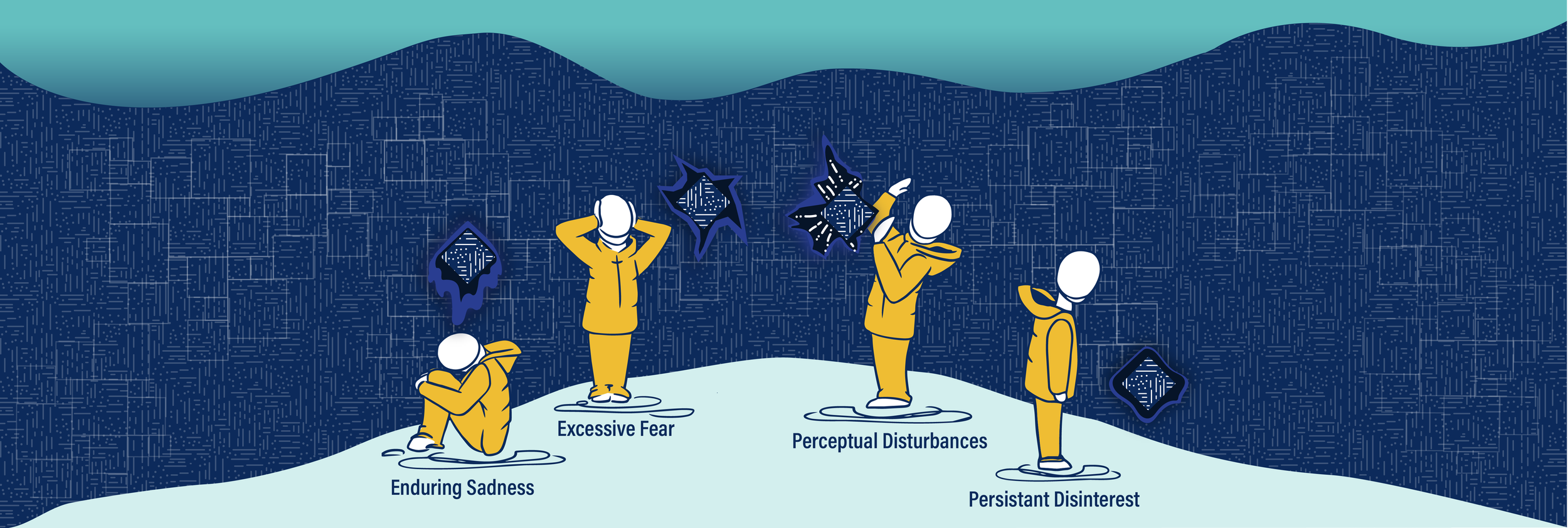
Feelings of enduring sadness, excessive fear, perceptual disturbances (e.g., seeing shadows, hearing whispers), and/or persistent disinterest may begin to emerge. Identifying these experiences early, pinpointing how they are characterized across different levels (e.g., brain, body, behavior), and how they change over time is critical for identifying youth who may be at risk for developing severe mental illnesses. This early identification will additionally inform prevention and early intervention strategies.
Adolescence is a time when youth are figuring out what they care about from the pieces of information they are making sense of in their lives. This learning is shaped by the brain, the body, behavior, early experiences, and the relationships that matter most. When that learning process is disrupted, the consequences can be profound and lasting. Understanding how, why, and for whom vulnerability emerges during this developmental window is how we give young people the best chance at feeling empowered as they learn into who they are.